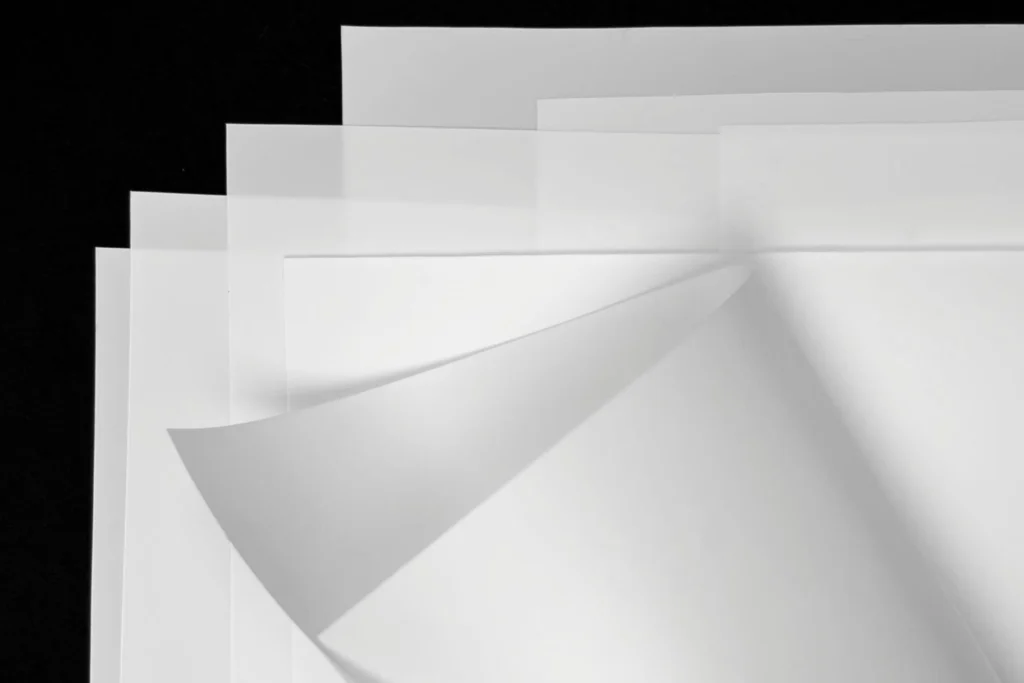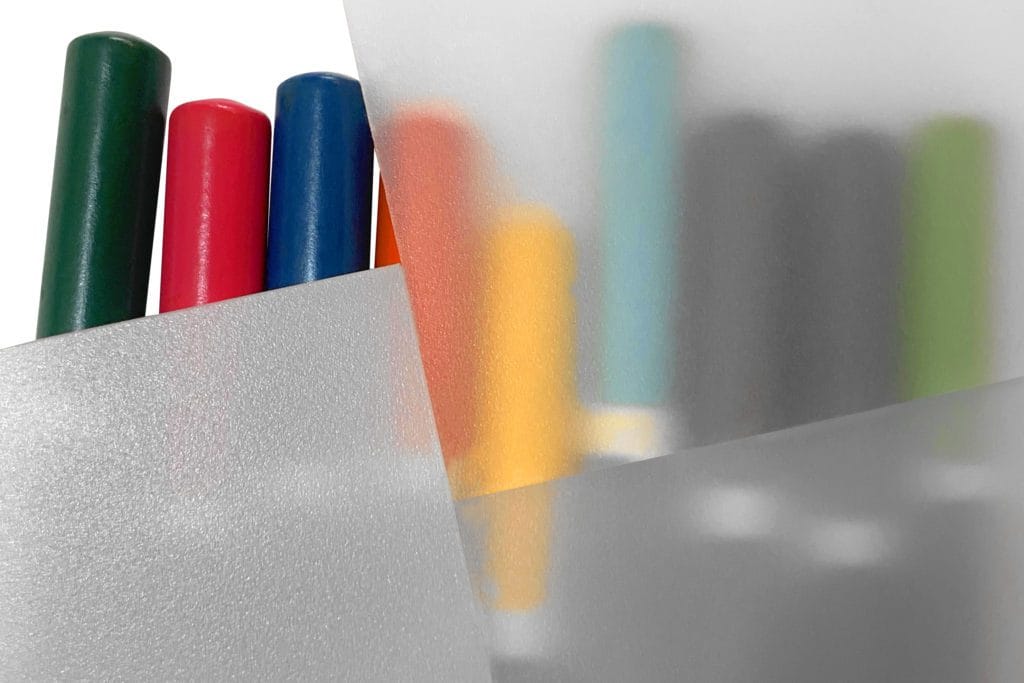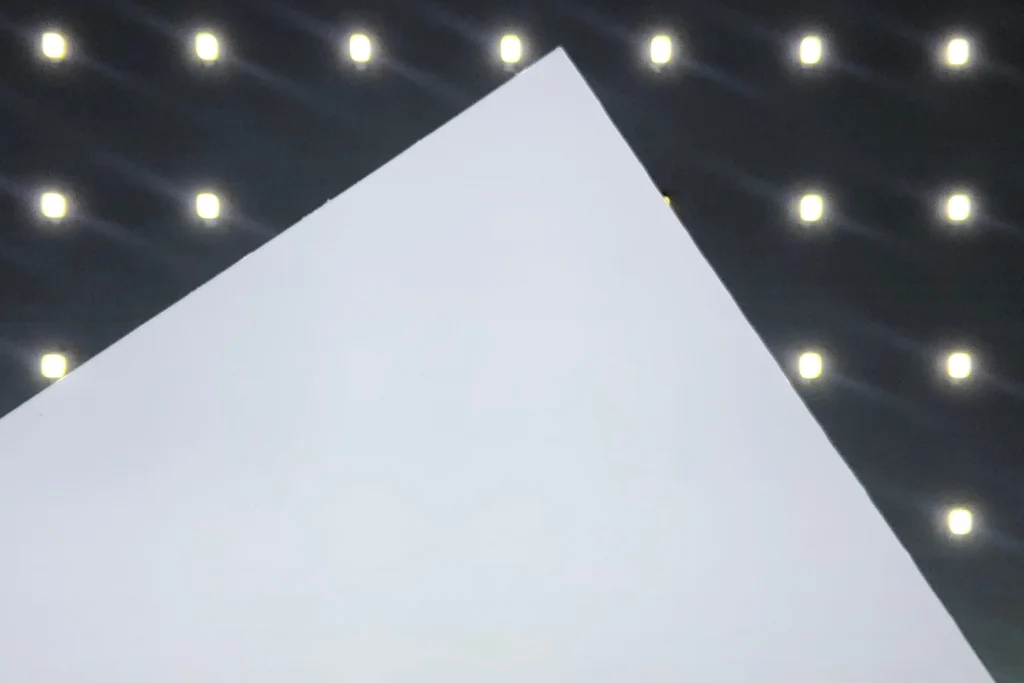
A technical guide to optical diffuser films for LED lighting — covering PET vs PC substrates, transmittance grades, haze, how films fit within an optical stack, and applications across commercial, display, and architectural lighting.
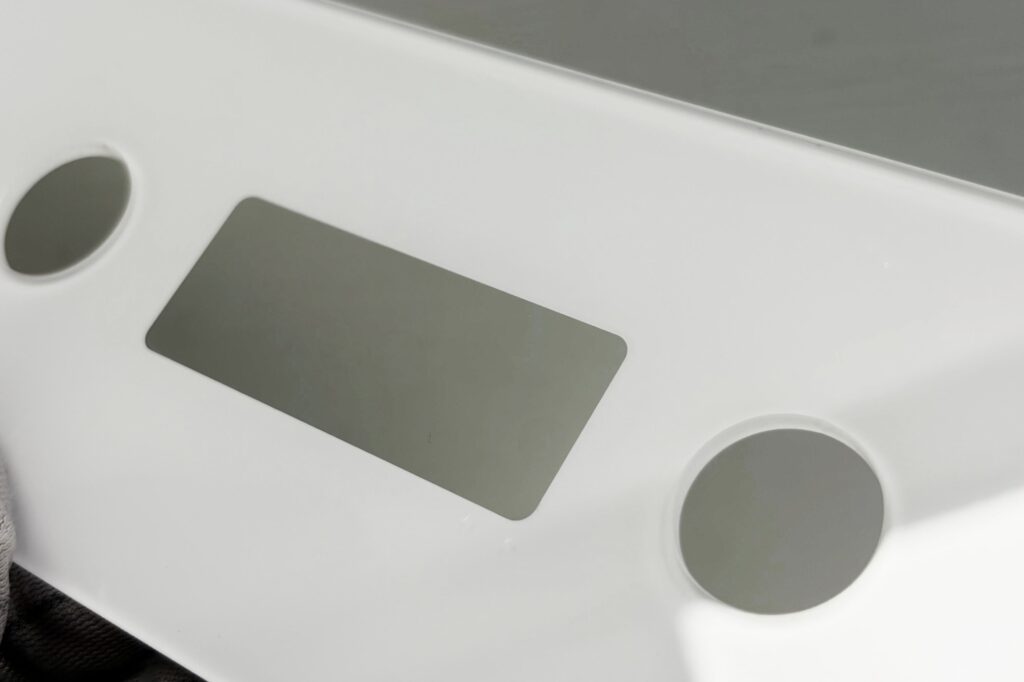
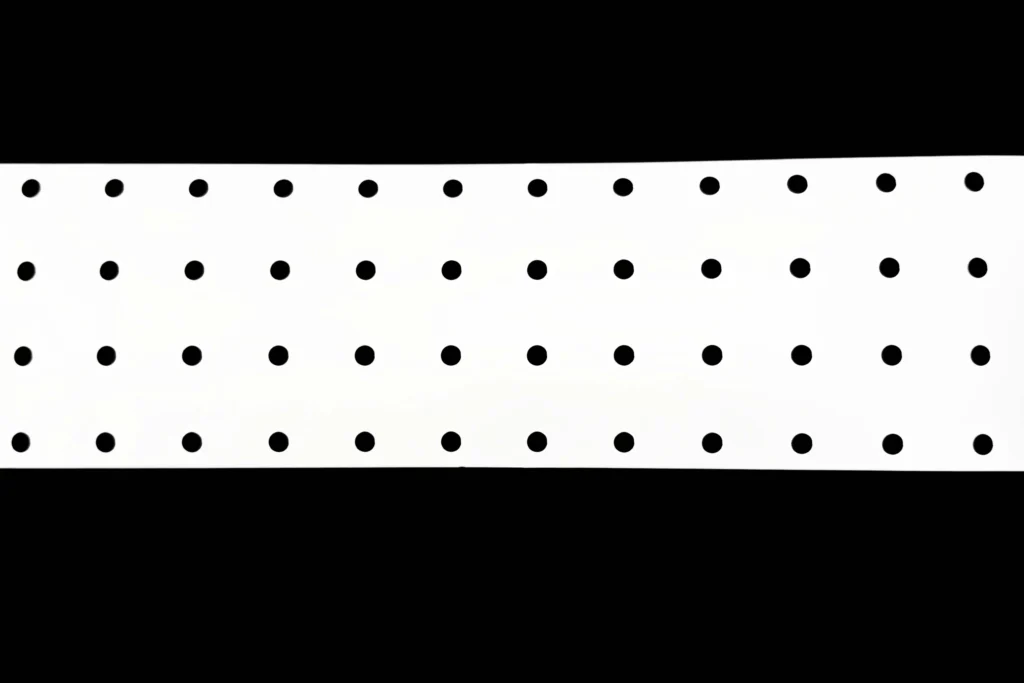
A technical guide to injection molded light guide plates — covering the manufacturing process, mold design, PC vs PMMA material selection, dot pattern integration, and when injection molding is the right production route for your LGP application.
A complete technical comparison of PMMA, polycarbonate (PC), and polystyrene (PS) for LED diffusers and optical sheets. Covers optical transmittance, impact resistance, fire ratings, UV stability, thermal behaviour, and application-by-application guidance to help engineers and buyers specify the right material first time.
In lighting design, materials need to do more than just look good — they must perform, adapt, and last. At Hexatron, we’ve worked with optical-grade materials for years, and when it comes to thermoformed diffusers, one material stands out: PMMA (Polymethyl Methacrylate). Why PMMA Is Ideal for Thermoforming PMMA, also known as acrylic, offers several advantages that make it […]
In critical environments like hospitals, laboratories, and cleanrooms, lighting plays an essential role not only in visibility and aesthetics but also in hygiene, safety, and human well-being. In such places, every component of the lighting system—from the housing to the diffuser—must meet strict standards for durability, optical quality, and chemical resistance. One of the most […]
How optical diffuser films and prismatic sheets combine to achieve UGR<19 in LED panels. Covers prism profiles (Honeycomb, Hexagon, Pyramid), diffuser film grades, assembly methods, and optical stack design for commercial lighting.
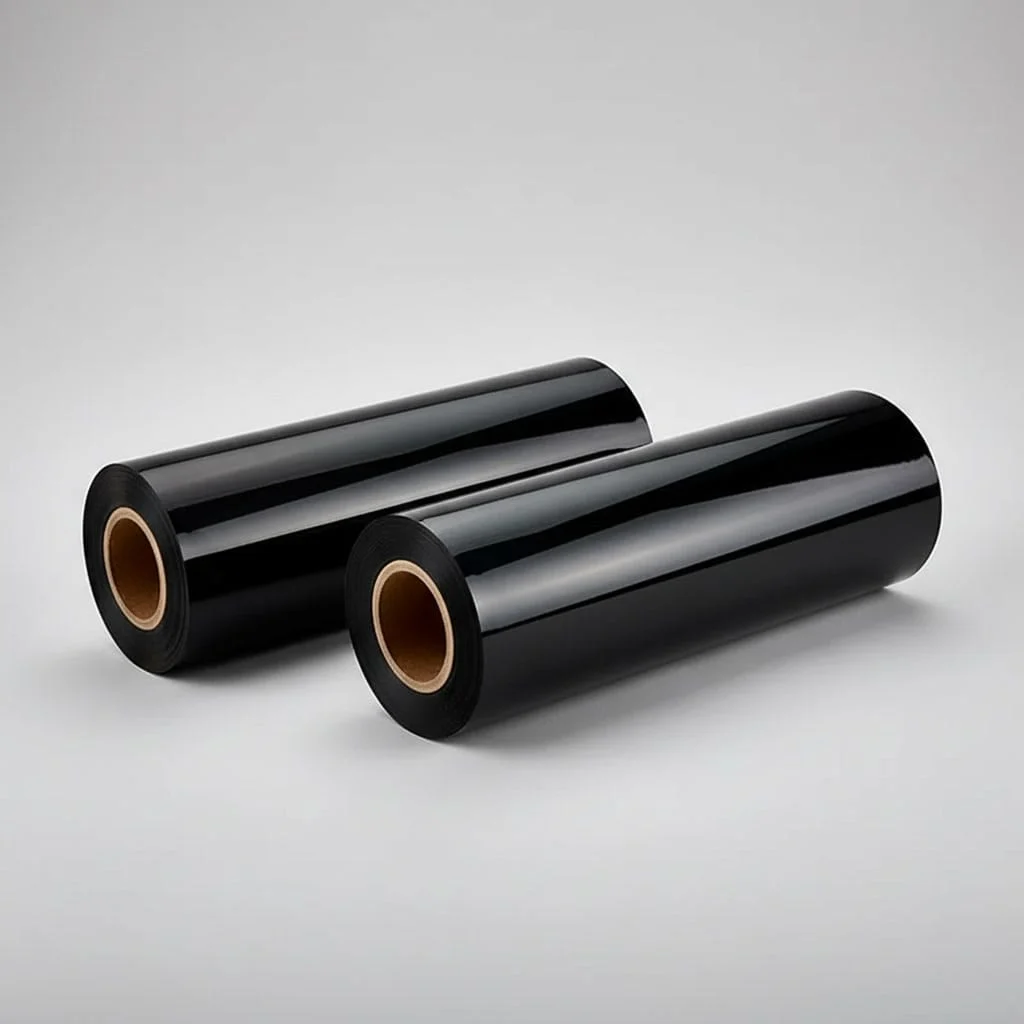
A complete guide to black LED diffusers — how they work, material options (PS, PMMA, PC), transmittance levels, UGR compliance, and applications in architectural, retail, pendant, and industrial lighting design.