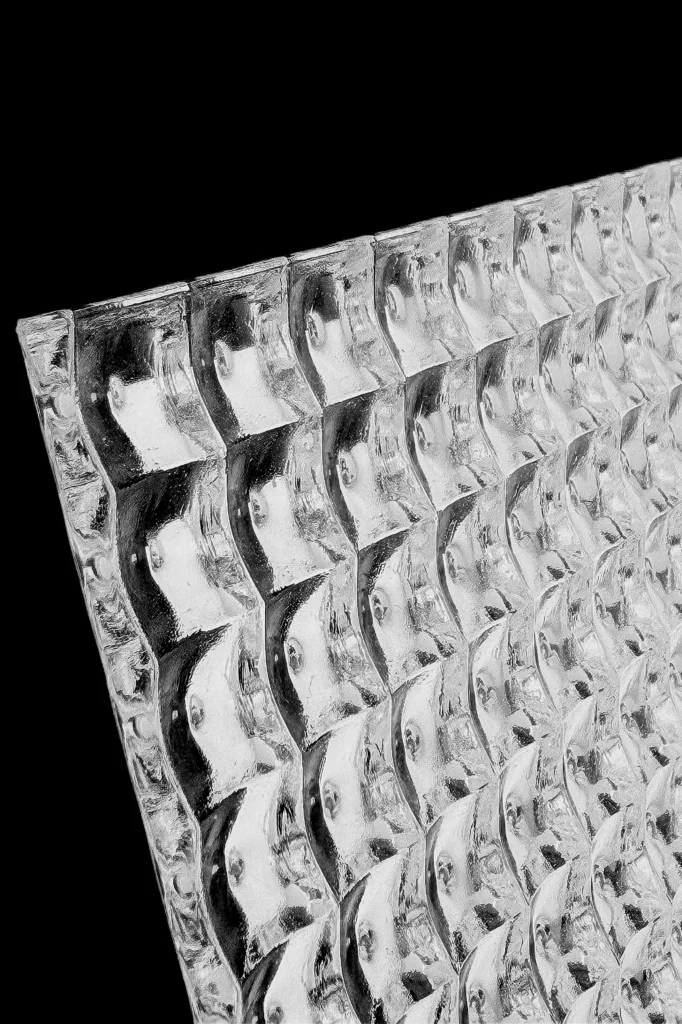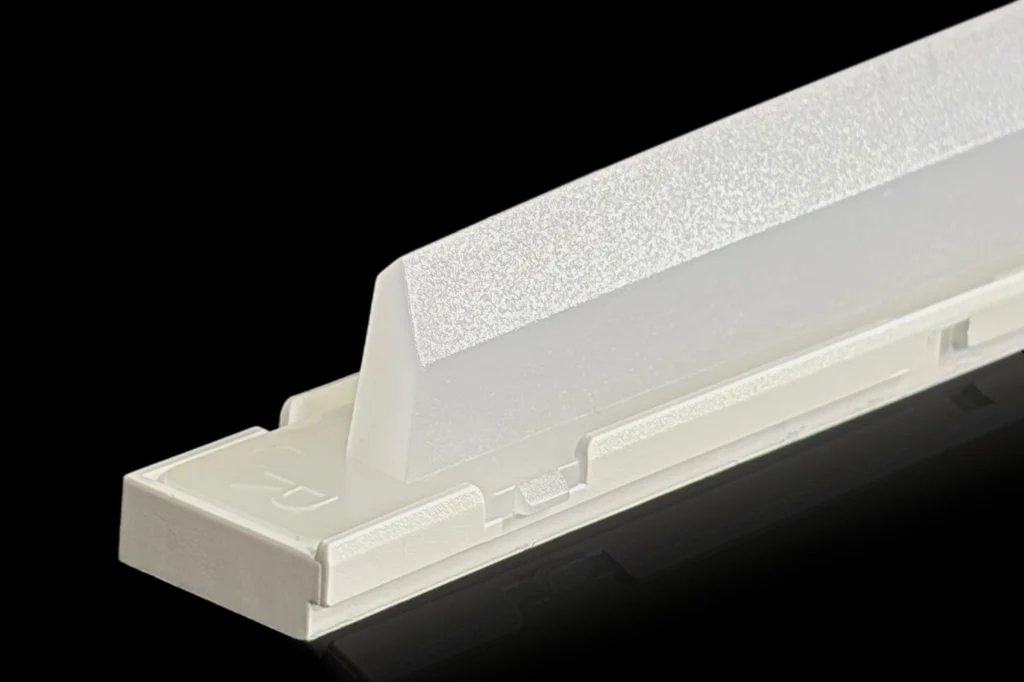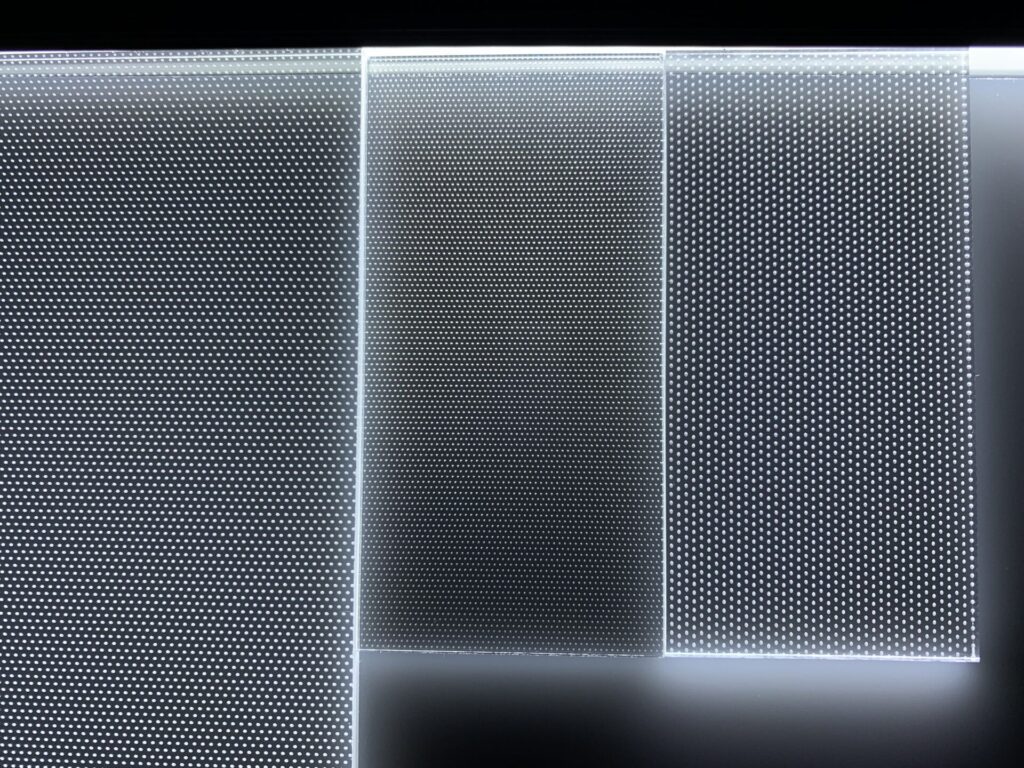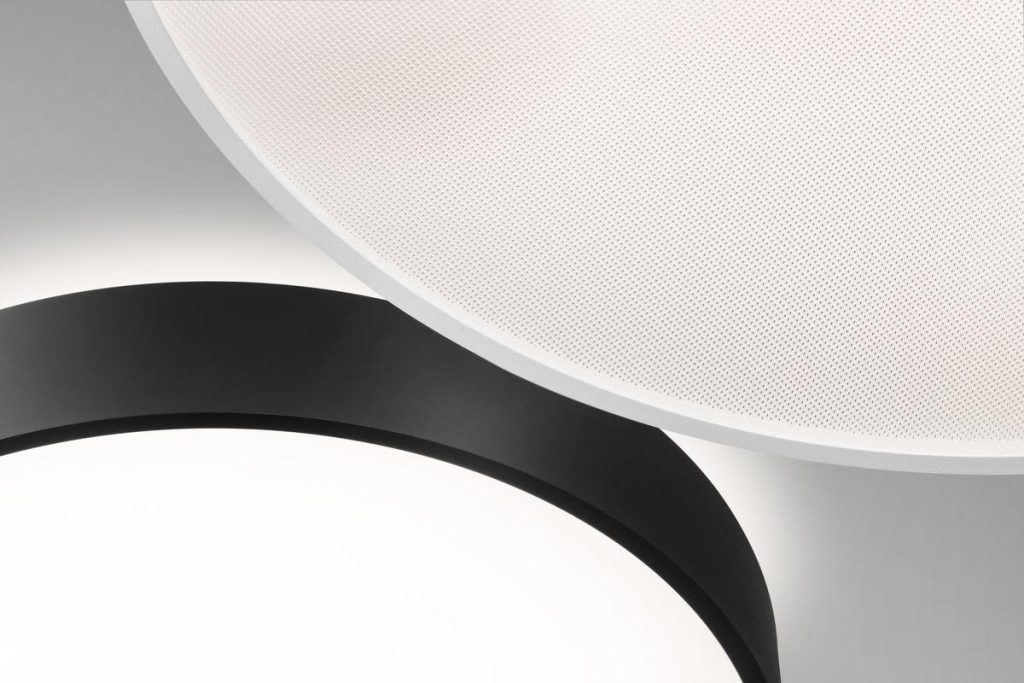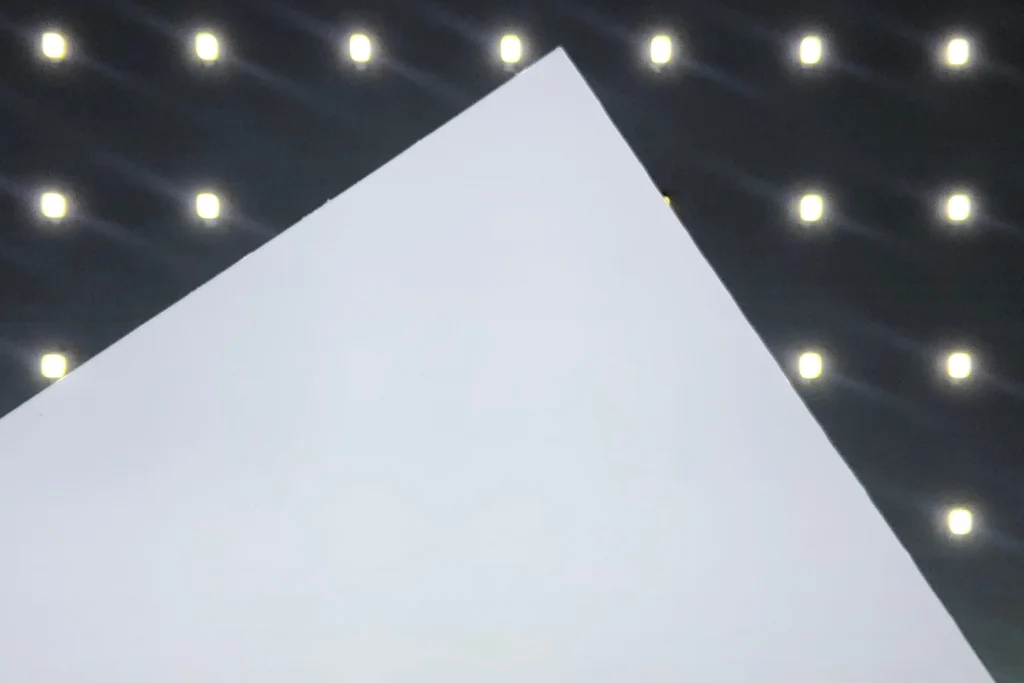
A technical guide to injection molded light guide plates — covering the manufacturing process, mold design, PC vs PMMA material selection, dot pattern integration, and when injection molding is the right production route for your LGP application.
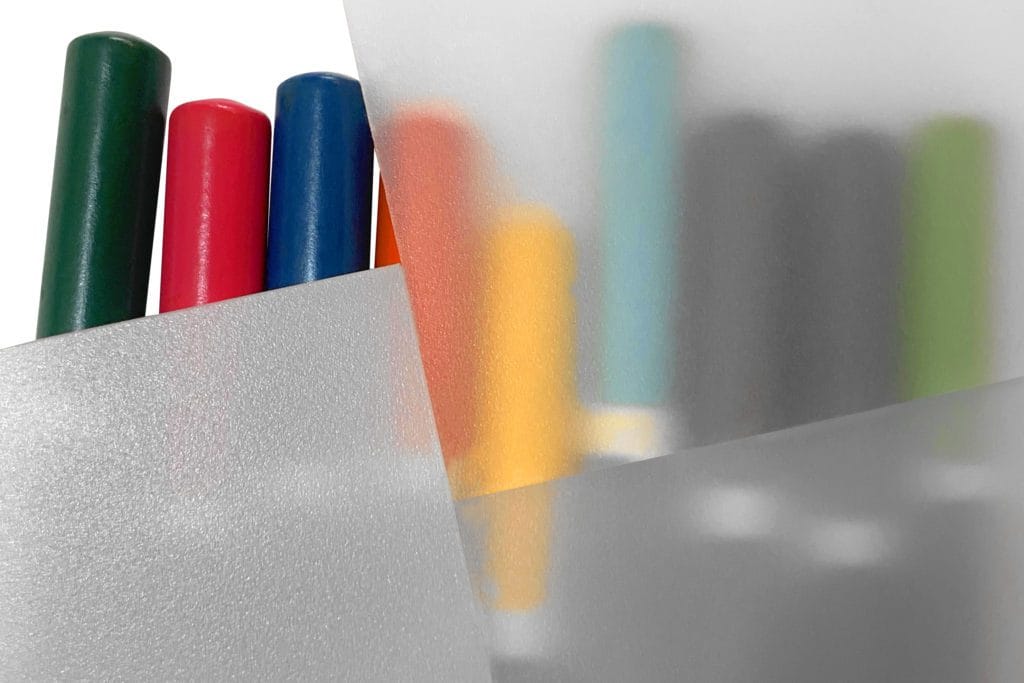
A complete technical comparison of PMMA, polycarbonate (PC), and polystyrene (PS) for LED diffusers and optical sheets. Covers optical transmittance, impact resistance, fire ratings, UV stability, thermal behaviour, and application-by-application guidance to help engineers and buyers specify the right material first time.
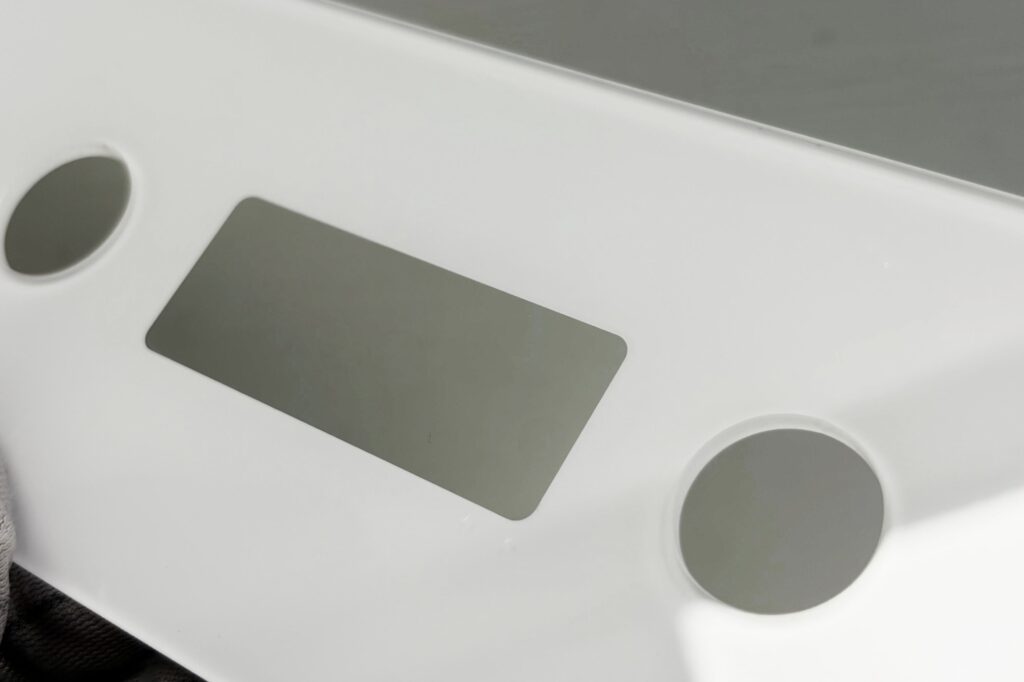
Complete guide to specifying custom graphic overlays and industrial front panels. Compare polycarbonate vs acrylic, screen vs digital printing, hardcoat finishing, and environmental ratings for any application.
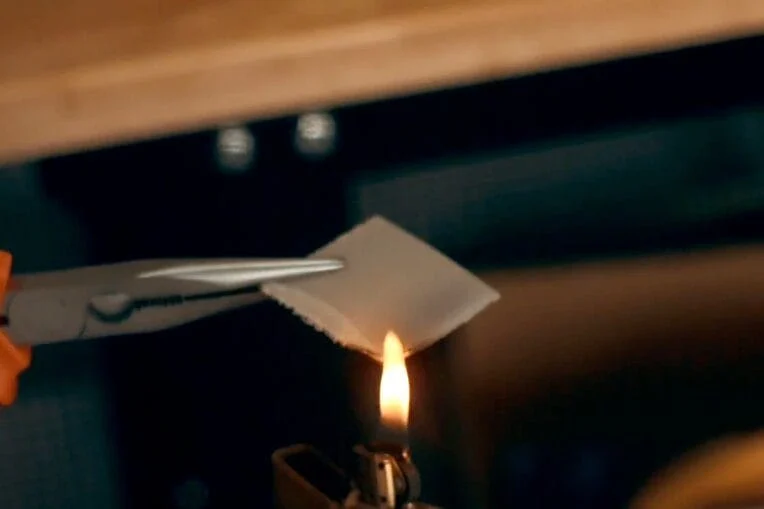
Both Polycarbonate and Polystyrene prismatic diffusers can achieve TP(a) rigid fire classification under UK Building Regulations Approved Document B. See our SGS-certified test results and learn what TP(a) means when specifying UGR<19 lighting for commercial, educational, and public spaces.
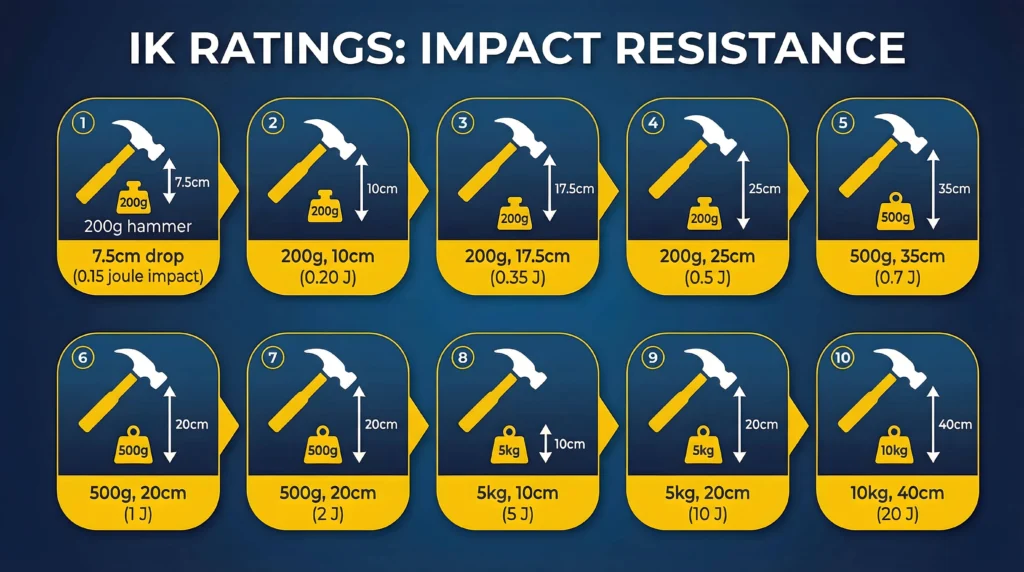
Learn how IK ratings measure LED diffuser durability — and how Polystyrene, PMMA, and Polycarbonate compare across impact resistance, transmittance, and UV stability. A practical guide to specifying vandal-resistant, UGR<19 compliant lighting for any environment.
When designing LED lighting, engineers must balance optical performance, thermal stability, and fire safety. One critical indicator for safe material selection is the Glow-Wire Flammability Index (GWFI), a global standard used to evaluate a plastic’s resistance to ignition. At Hexatron, our optical-grade materials are tested and certified to meet IEC 60695-2-12 standards, ensuring both optical […]
A complete guide to black LED diffusers — how they work, material options (PS, PMMA, PC), transmittance levels, UGR compliance, and applications in architectural, retail, pendant, and industrial lighting design.